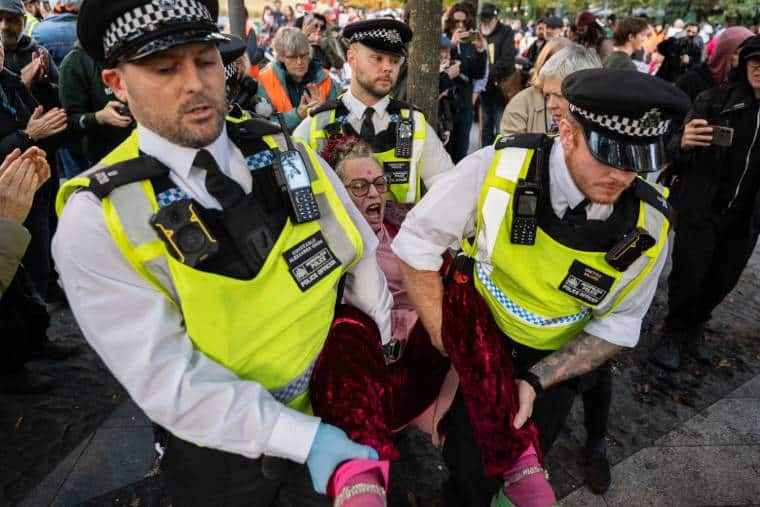
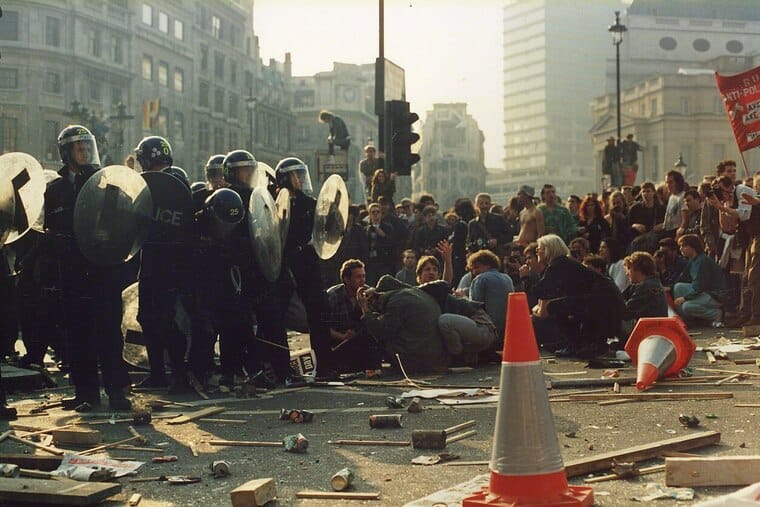
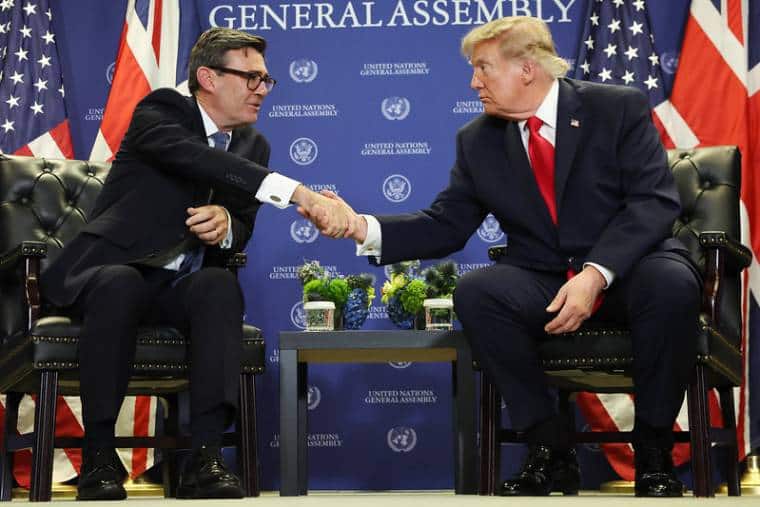
Any left alternative to Labour would need to be based on struggle (Picture: Guy Smallman)
Events at the end of last year—in Syria, South Korea, and France—showed that the multiple crises of the system are accelerating. But these crises also interact with each other. Britain is a good example.
Less than six months into office, Keir Starmer’s government has been deflating at an astonishing rate. It is suffering from largely self-inflicted wounds. Starmer remodelled the Labour Party along the lines set by Tony Blair and Gordon Brown in the 1990s and 2000s.
Chancellor Rachel Reeves has sought simultaneously to reassure the financial markets that Labour was “fiscally responsible” and to offer its working class supporters some modest material improvements.
But her budget at the end of October fell between two stools. The tax rises aimed at balancing the budget antagonised business and property owners more generally. But there was little on offer for working class people. Indeed, Reeves had shot herself in the foot soon after taking office.
The Financial Times newspaper reported on Christmas Eve, “There is now widespread agreement in Number 10 and the Treasury that the £1.5 billion cut in winter fuel payments for 10 million pensioners in late July was a major political mistake… The decision fuelled a sense around Starmer’s new government that Labour would be little different from the Conservatives, who had just been evicted after 14 years in power.”
And so Labour, and Starmer personally, are tanking in the opinion polls. The collapse in the government’s standing is a symptom of the weakness of the base of its election victory. The victory was more a product of the Tories’ unpopularity than of any head of steam behind Starmer.
Since Christmas the government’s homegrown crisis has got worse—thanks to developments outside Britain. Tesla boss Elon Musk has gained enormous prestige by throwing social media site X and his huge personal fortune behind Donald Trump’s successful re-election campaign. He is using this to build the far right internationally.
His latest move is to mobilise X against the Starmer government by vastly amplifying Tommy Robinson’s lies about child sexual exploitation. The most immediate beneficiary seemed to be Nigel Farage and Reform UK, already riding high in the polls. Or they did until Musk turned on Farage, probably because the latter has been careful to maintain a distance from Robinson.
Given all Starmer’s efforts to curry favour with big business and indeed with Trump, having the richest person in the world rip into him must be embarrassing. According to the Bloomberg website, “Starmer has told aides he sees no merit in engaging in a back-and-forth with Musk, or indeed any of his other critics.” But the prime minister was eventually forced to hit back at his press conference on Monday.
In the face of this offensive from the right, Starmer’s strongest cards are that Labour has a huge parliamentary majority, and that the next election could be four and a half years away. But for a government to start bleeding support so early is very dangerous, particularly since it’s dominated by clumsy Blairite mediocrities. Despite his falling out with Farage, Musk’s assault on Starmer puts the far right—whether Reform UK or the Tories under Kemi Badenoch—on the front foot.
Meanwhile, the Labour monolith is showing signs of crumbling. Jeremy Corbyn and the pro-Palestine independents enjoyed remarkable successes in the general election. And last week’s resignation from the Labour Party of 20 councillors in Broxtowe in Nottinghamshire is the latest sign of the growing disaffection at the base.
The conditions are developing for the formation of a powerful radical left alternative to Labour. This is badly needed to prevent the far right dominating the challenge to a fumbling Starmer government.
An effective radical left alternative couldn’t simply contest elections. It would have to get stuck into struggles in workplaces and neighbourhoods and in the Palestine solidarity movement. To make sure this happens, revolutionary socialists are needed to help initiate and build this alternative.


Why is Labour increasing repression?
Looking at the magnificent mass eruptions in France, one is tempted to ask—'Why not here?'
What did Burnham do?