Zack Polanski is running to be Leader of the Green Party (Pic: Wikimedia Commons)
There is a palpable excitement on the left for Zack Polanski’s bid to replace current Green Party leaders Carla Denyer and Adrian Ramsay.
The party is witnessing a surge in its membership.
Commentators like economist Grace Blakeley have joined as a direct result of his campaign.
Polanski’s vision of “eco-populism” attempts to connect the Green Party’s climate activism with “bread and butter” issues while tackling the social crises wrought by the billionaire class.
He aims to bring any and all progressive currents within British politics under the umbrella of Green Party organising, or as he puts it, to transform the Greens into a “bigger” and “bolder” political project.
Polanski’s leadership bid comes amid a historic collapse of centre ground politics.
Huge swaths of voters are abandoning Keir Starmer’s Labour Party following its relentless attacks on the working class and marginalised communities, and its continued support for Israel’s genocide in Palestine.
Starmer is opening a space to opportunists of all stripes including George Galloway and Nigel Farage.
The Greens also want to capitalise on Labour’s political freefall. Polanski is building a campaign around economic and social justice and anti-racism.
But while he acknowledges the hardships of working class people in today’s economy, it is still an electoralist project.
Despite Polanski’s campaign positioning him as a radical outsider to the traditional leadership of the Green Party, he continues to be wedded to electoralism.
Instead of building struggle on the streets to bring about change, the end goal is to elect “between 30 to 50” more MPs.
Polanski accused those who insisted on a politically independent working class of sowing divisions within the left.
He said in a recent interview, “when people try to separate us into the working class versus people who are running their small businesses, what they’re doing is dividing us.”
He added, “I think it’s time for everyone to put the differences aside and get on with it, in the Green Party.”
To Polanski, class politics is just another superficial “difference” that threatens to divide his eco-populist project.
The audience for his political project is bound by a nebulous of progressive values instead of a shared class interest in overthrowing class oppression.
Where Polanski fails in his analysis, is that he sees class as just like any other social identification and not something rooted in our material reality and social relationships.
As Marxists, we put class struggle at the centre of our politics because of the position that workers occupy in society that allows them to be the vehicle of change.
When people are more concerned with winning votes at the ballot box than raising the level of struggle in workplaces and on the streets, they can end up capitulating to oppressive ideas and practices.
The £50 million cuts implemented by the Green-led Bristol council last year should act as a cautionary tale. We should be under no illusions, the Greens’ strategy is hedged on ruthless opportunism. They will happily turn on the working class when it suits them.
Polanski is right about one thing, however, the depravity of Starmer’s Labour leaves it vulnerable to electoral left challenges.
The enthusiasm for Polanski’s campaign and the new left party formed by Jeremy Corbyn and Zarah Sultana demonstrates that there is a social base looking for genuine political alternatives to Starmer and Farage.
But parties of the left are also at risk of subordinating workers’ struggles to winning votes and elections.
A new party will need to stand with Palestine and oppose all forms of oppression, taking a principled position on racism, disability and trans+ rights. And socialists will need to push for it to be a megaphone for these movements.
We should work with candidates who offer principled working class solutions, including some independent Green Party activists and councillors.
But the Green Party, because it rejects class politics and fixates on elections, will not be the solution the working class seeks, regardless of who leads it.


Learn from mistakes of Corbynism
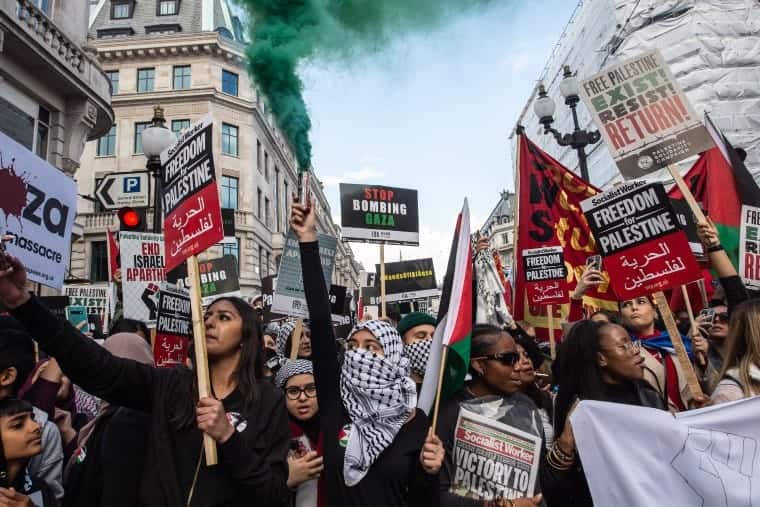
Build for the Palestine national demonstration on 10 October