My abiding memory of the strike is the coming together of my community. It brought families together to fight for something that was just.
The strike transformed everything. Before it men and women could be in a set role, with the man working and the woman doing the housework and looking after the kids.
But when the strike happened the men and women fought together.
Women, including my mother, came to the fore and defended their community. It showed me that women can be active and political, and that we need to unite with men to get anywhere.
We had to cope with poverty and uncertainty, but a whole new world opened up for us. My mother and I both went to university after the strike – the first women in our family to go into higher education.
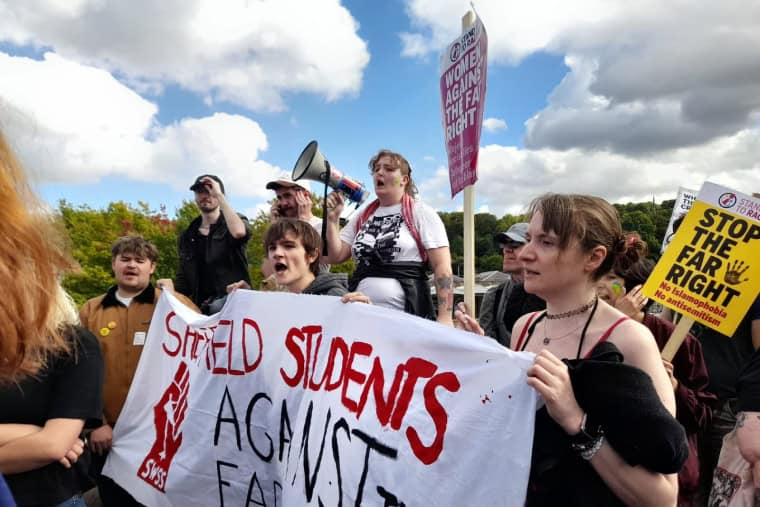
The media and politicians tried to paint the miners as the “enemy within”. Now I look at the Muslim students and others protesting against the “war on terror” and think the same thing is happening to them.
When you come through a struggle like the Miners’ Strike you see how important it is that we stick together.
The miners stood up for other people too. The strike was where many of us learned to support other people fighting back against oppression and exploitation, such as the black people in South Africa resisting apartheid.
The defeat was heartbreaking. After the pits were closed lots of people retrained, but there were no jobs. People lost their families, drugs came in and there was a wasted generation. It took communities years to recover.
If we’d won then we wouldn’t be in the position we’re in now, with weaker unions and public services under constant attack.
The outcome could have been so different. When Margaret Thatcher dies there will be parties in Doncaster and other former mining areas.
Louise Harrison was 14 when her dad went on strike. She is now the Unison union’s women’s officer in Doncaster


Is patriarchy the road to women's liberation?
Plus: How socialists can mobilise large numbers of people
A necessary step towards working class power
Glasgow service users and workers speak out