Ask people which British institution most embodies the ideas of multiculturalism and a great many will reply—the NHS.
It’s not difficult to see why.
Black and Asian health workers play a highly visible role running our hospitals, clinics and doctors’ surgeries.
Black and minority ethnic (BME) people make up 21 percent of health service staff. That’s some 273,359 people, a number not matched by any other industry.
The NHS’s Workforce Race Equality Standard 2020 report shows that despite the proportion of BME staff rising year on year, the health service has a problem with racism.

For example, in 2019, white applicants were 1.61 times more likely than BME applicants to be appointed to a job from a shortlist.
That’s worse than the last survey in 2017, when the figure was 1.46.
We can assume that the common stereotypes of black and Asian people having trouble “fitting in” and being worse communicators are having an effect.
Dr Nisha Aggarwal last month wrote a comment piece for the British Medical Journal which lifted the lid on casual racism in the NHS.
“After six long, tough years at medical school, I have found it painful to see colleagues, whose clinical practice is capable and safe, judged by others as incompetent simply because they have a different accent,” she said.
“I have even heard a white colleague declare that they struggle to remember the names of Asian doctors because ‘they all look the same’.” The report also shows that people from a BME background are concentrated heavily in the lower pay bands, and are only rarely found in the ranks of senior management.
Strongly
BME health workers are strongly over-represented in “Band 5”—which includes most ward nurses.
But they are underrepresented in bands 6 to 9, which includes nurses who have specialised in particular clinical fields, and those who have taken on management responsibilities, such as ward sisters and matrons.
For staff to progress through pay bands into higher paid roles requires the support of supervisors and managers.

But some 17 percent of nurses said they’d experienced discrimination from a manager or team leader, or other members of staff.
There are around 2,250 “very senior managers” in the NHS. Around 21 percent of NHS staff are from BME backgrounds, so that could equate to 450 black or Asian managers.
But the actual number is just 153, showing the NHS is not concerned with tackling inequality.
Racist attitudes and practices that discriminate flow downwards from the top of the organisation.
And racism undermines ideas of solidarity and collective action because it makes black and Asian workers feel their concerns are separate from those of white colleagues.
We have to see the battle against racism in the health service as part of a wider battle against racism in society—and for a more democratic health service.
If change is to come, it will have to emerge from struggles at the bottom.


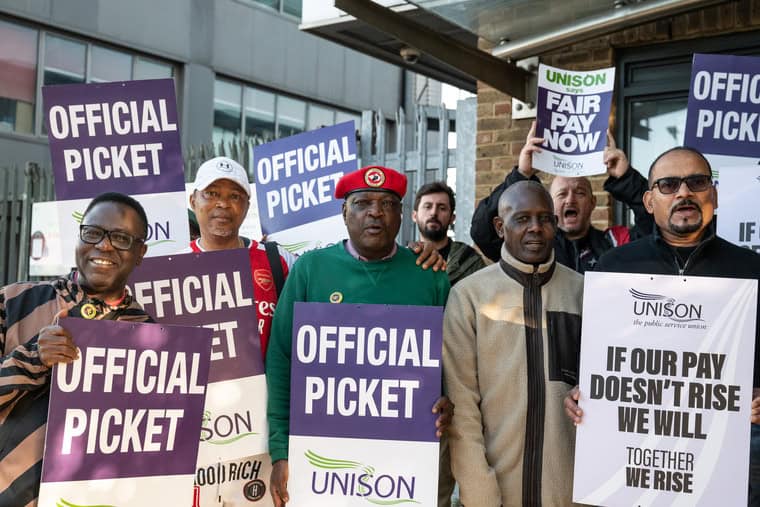
Jude Mckechnie spoke to the workers leading the fightback against outsourcing
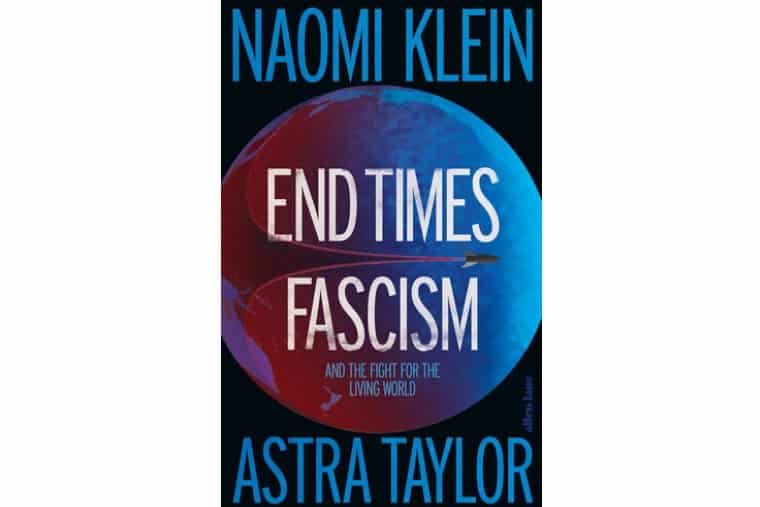
Judy Cox reviews End Times Fascism by Naomi Klein and Astra Taylor