The West says it has learned lessons from Iraq, where chaos followed the removal of all state authority. So in Libya it plans continuity—by keeping Gaddafi loyalists in place.
The strategy is already creating problems for the governing Transitional National Council (TNC). Following Nato’s plan, it looks set to appoint Albarrani Shkal as the head of security in Libya’s capital Tripoli.
He was the general who led Gaddafi’s assault on the city of Misrata.
The president of Misrata’s council, Sheikh Khalifa Zuwawi, said Misratan troops controlling many strategic points across Tripoli may refuse to obey the TNC as a result.
“We won’t follow his orders,” Walid Tenasil, a Misratan fighter in Tripoli, said.
Already some TNC leaders are worried about being seen as too much in the pocket of Nato. Mohammed al-Alagi said on Friday a post-Gaddafi government would “not give any Libyan citizen to the West”.
Nato leaders concerned about whether they can control the new government have raised the issue of putting troops on the ground for “stabilisation”.
But earlier this year in both Tunisia and Egypt masses of ordinary people set up neighbourhood committees. These are a peaceful, democratic way to stop violence and chaos.
Libya is following a different path. Multinational companies are eyeing up everything from the 46 billion barrels of oil reserves to the possibilities of tourism.
But the biggest prize is the regaining of strategic influence in the region—which was challenged by the revolutions that have toppled two of the West’s allies and threaten others.
Bigotry towards black and dark-skinned people has blighted the rebels’ advance. Many have been beaten or even shot, accused of being African mercenaries who supported the dictator Muammar Gaddafi.
Many rebels believe African “mercenaries” carried out the loyalists’ worst atrocities, though there is no evidence for this.
Diana Eltahawy of Amnesty International told the Washington Post that many black prisoners are merely migrant workers.


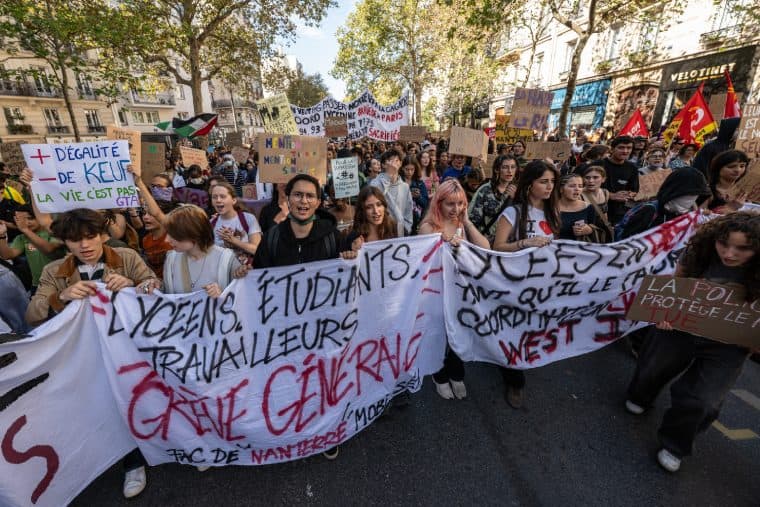
Unions have called a general strike
Interview with a member of French revolutionary socialist group Autonomie de Classe
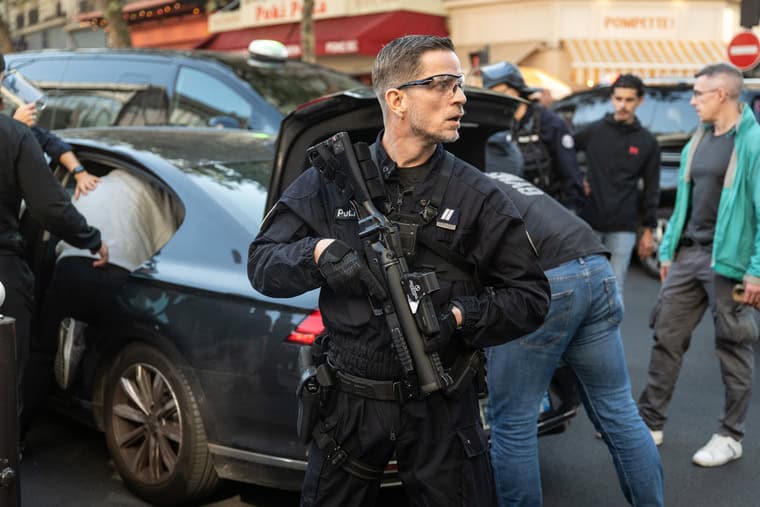
The real violence is coming from the racist thugs in uniforms