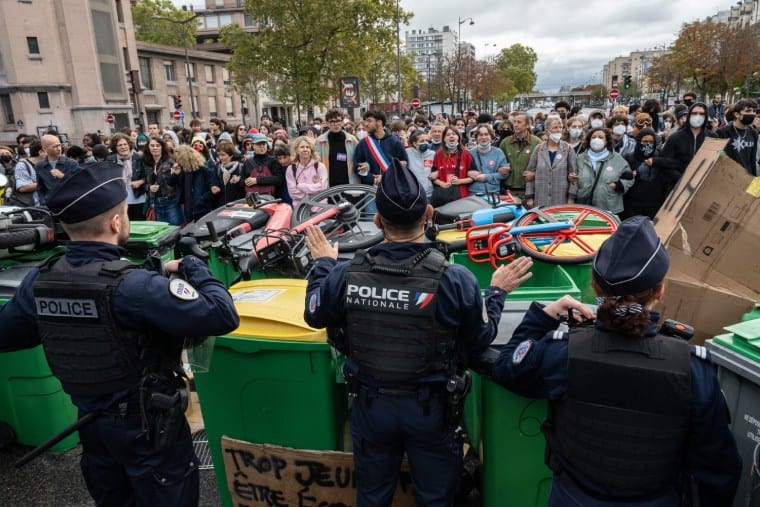
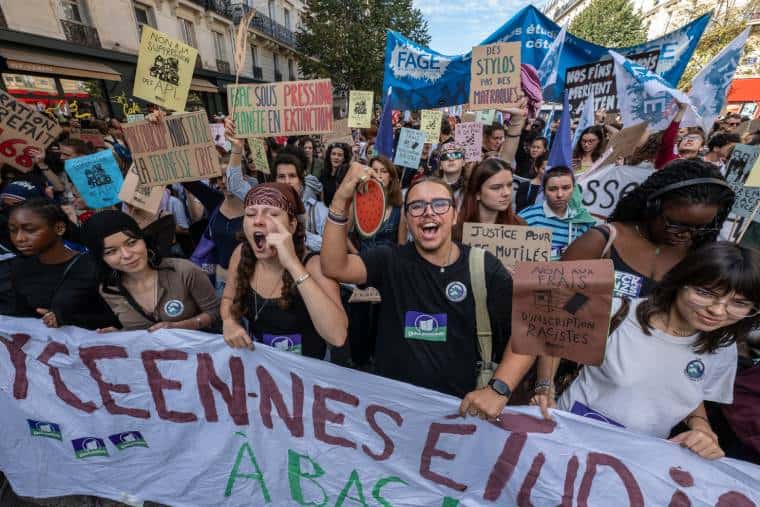
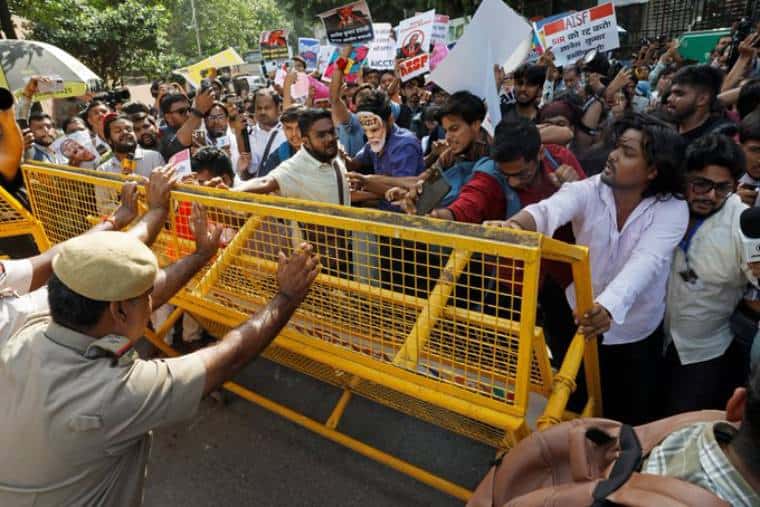
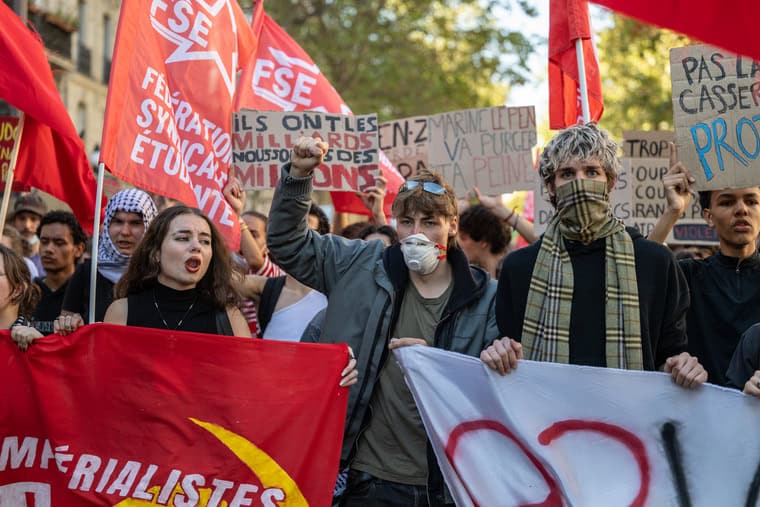
Protests against president-elect Aleksandar Vucic have swept across Serbia in recent weeks.
They began after Serbian Solidarity Party (SNS) candidate Vucic won 55 percent in the first round of the presidential election, amid allegations of corruption.
Serbian politics is torn between a right wing liberal wing that looks to the European Union and a nationalist wing that looks to Russia.
The SNS, which emerged from hard right nationalism, has tried to marry the two.
Movements in former state capitalist countries such as Serbia, which claimed to be socialist, have been shattered by looking to free market liberalism as an alternative.
But the anti-Vucic movement is asserting independent demands and could be pulled leftwards.
Some trade unions have joined the protests, whose demands include workers’ rights and free health care and education.


Another day of mass resistance