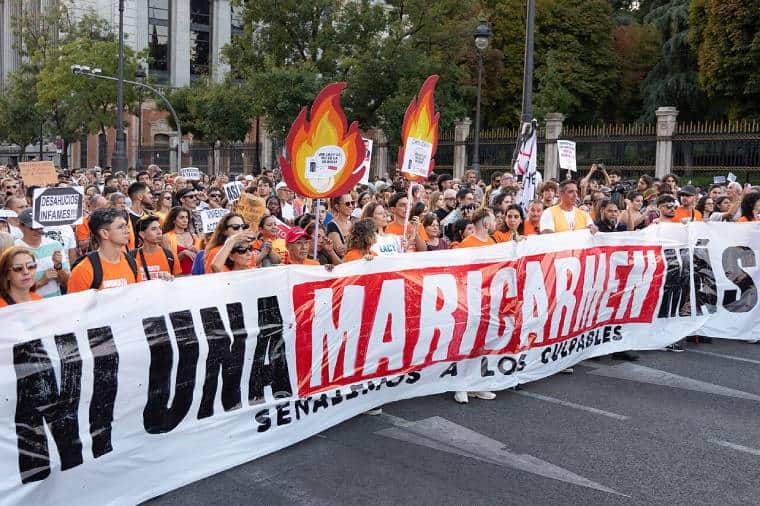
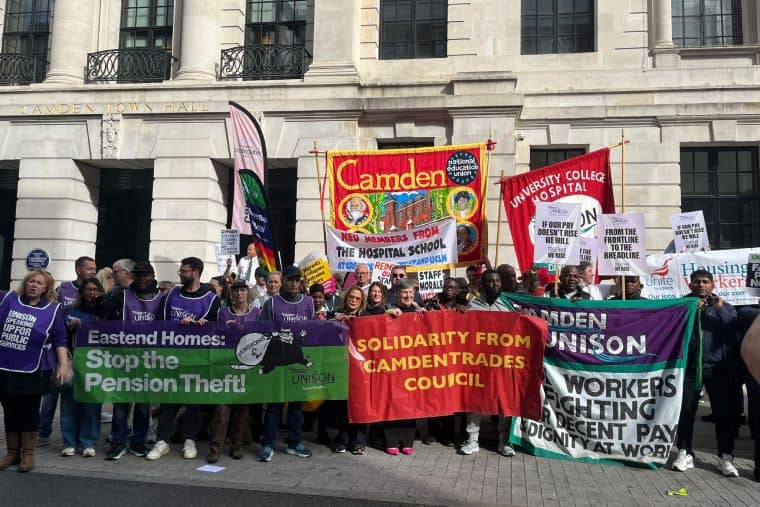
CAIWU cleaners’ union members protesting in London in August against sackings at Meta (Picture: Guy Smallman)
The TUC trade union federation gathering on 8 September in Brighton could see differences about how to relate to the Labour government. An article on the i News website last week claimed, “A ‘schism’ is growing among trade unions about how aggressively they should be pushing the Labour government over public sector pay.”
A motion from the PCS union argues that public sector wages have decreased by an average of 1.5 per cent annually since 2011. It calls for a pay restoration to be “a key feature of our campaigning with the new government”. But i adds, “Others in the labour movement have accused hard left union leaders of engaging in ‘cosplay’ by making unrealistic demands.”
A senior union official said some unions want to “give Keir Starmer the benefit of the doubt” and work “privately and quietly behind the scenes”. This official said, “Part of this is about the unions who love nothing more than to be let down by a Labour government.” They said the motion did not represent a “co-ordinated bargaining agenda” across the TUC. And it said other unions understood they had to be more measured in their demands.
“They know how cash-strapped these organisations are,” the source said. What the TUC says does matter. It assembles general secretaries, senior officials and some grassroots delegates from unions representing 5.5 million workers. It can, when pushed hard enough, offer a unified drive for action—although it’s always a battle to turn words into action.
And differences are usually more apparent than real. Will there be a genuine battle over pay? And will it mean more than rhetoric? Just months after union leaders gushed over the return of Labour to the government there is unlikely to be any serious planning against Starmer’s pro-boss policies. Another possible clash could come over anti-union laws.
Some union leaders will want to just congratulate Starmer for ending the Tories’ minimum service level law that enforced strike breaking—although it was never used. And Starmer has cannily indicated that Labour will move to dump the 2016 act that enforces strike ballot thresholds. But the FBU union also wants the TUC to “take urgent action to remove other anti-union laws”.
In the world of the TUC— where self-congratulatory fudge rules—that might just be voted for unanimously and filed under “nice idea, don’t push”. There are welcome motions over anti-racism and opposition to Reform UK. An NEU union amendment calls on unions to “mobilise for demonstrations and campaigns against the far right called by Stand Up To Racism and others”.
Emergency motions are also expected over the recent fascist and far right surge of violence. There will be a discussion of going beyond Labour’s economic programme with calls for a wealth tax and not just relying on growth to boost public spending.
But there are no calls for coordinated strikes to win this. The RMT union motion, for example, simply asks for a campaign to “be launched as soon as possible to influence the next and forthcoming budgets and to include lobbying of MPs and the cabinet”.
On Palestine, a motion from the NEU union “reaffirms support for Palestinian rights”. It calls on the government “to immediately recognise the State of Palestine and end the arms trade with Israel”. It also demands “a permanent ceasefire and the release of all hostages and Palestinian political prisoners”.
It supports “sanctions upon individuals and entities who have made statements inciting genocide against Palestinians”. However, it doesn’t make clear whether those sanctions apply to the Israeli state as a whole. An amendment from the Unison union underlines that this policy must be part of “contributing to a two-state solution”.
This is the camouflage Western imperialism uses to avoid a real discussion of the nature of Zionism. The Unite union wants to restrict any weapons ban to “arms directly traded with Israel”. This follows the false logic that trading in death is good for workers because it saves jobs.


Unions have called a general strike
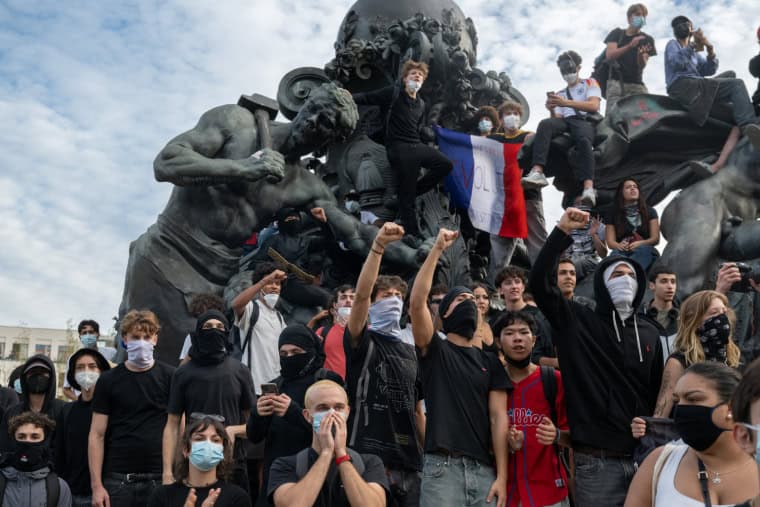
Interview with a member of French revolutionary socialist group Autonomie de Classe