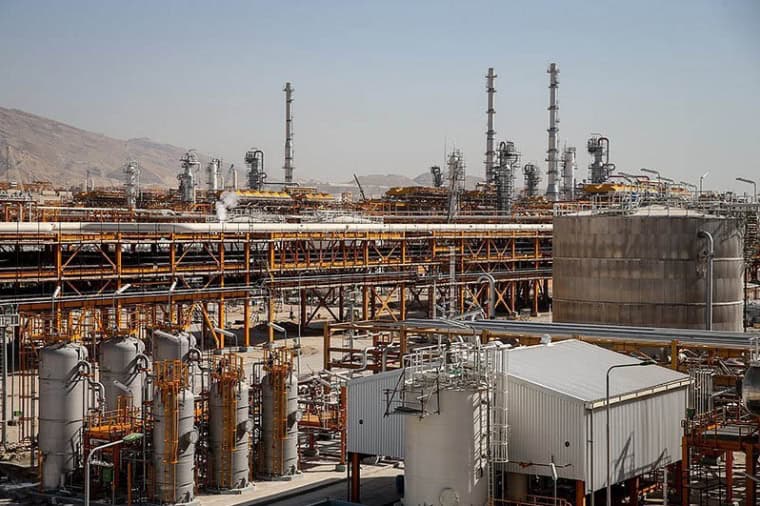
Israelis attacked the South Pars gas field in Iran, hoping to effect “regime change” by causing acute gas shortages in the country (Photo: Wikimedia Commons)
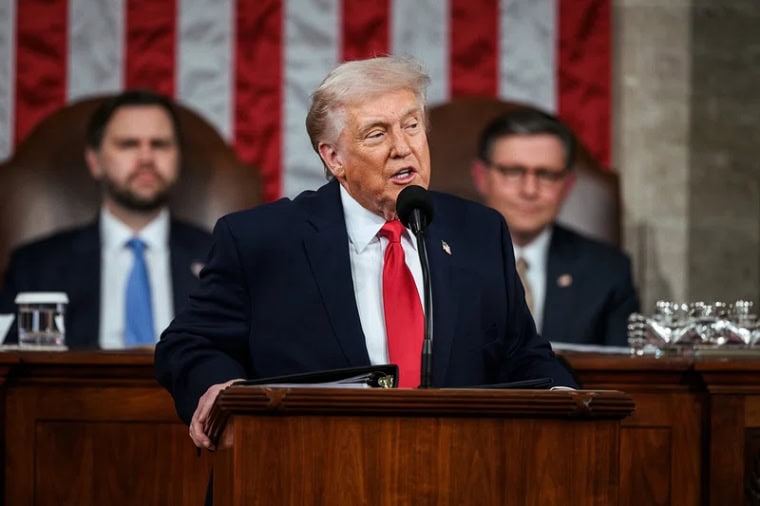
Keir Starmer held panicked talks with energy bosses at Downing Street on Monday to discuss the fallout of Donald Trump’s war with Iran.
Iran’s blockade of the Strait of Hormuz has sent oil prices spiralling. For every $10 rise in the price of a barrel of oil, petrol costs increase by 7 pence a litre at pumps across Britain.
A wider concern over fuel shortages has already hit Europe, with Slovenia becoming the first European Union member to implement fuel rationing.
The economic fallout in the region is also acute. In the United Arab Emirates, over $120 billion has been wiped from the economy since the beginning of the war. Qatar’s capacity to export oil and natural gas has also been severely impacted.
Alongside the immediate impact on energy prices, further consequences are likely incoming.
The OECD—Organisation for Economic Co-operation and Development—downgraded its growth forecast for Britain from 1.2 percent in December to 0.7 percent in March.
In periods of low growth, cutting interest rates can be a way to boost economic activity. But with spiralling fuel prices, inflation is now set to rise to 4 percent this year, up from the previous estimate of 2.5 percent.
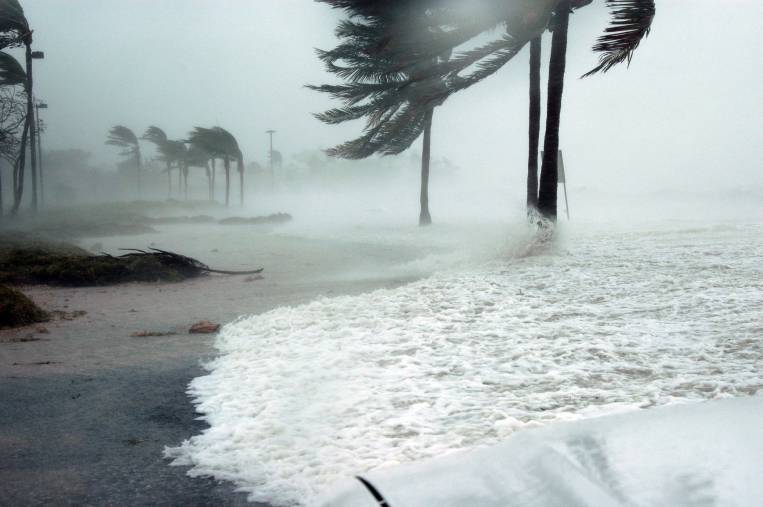
The economic storm caused by war is already pushing up the cost of living, including mortgage payments. There are signs that the cost of people’s weekly shop will be next.
But it also means the government’s cost of borrowing remains high. It means Starmer is likely to cough up even more excuses to avoid spending on Britain’s public services.
Chancellor Rachel Reeves has used to opportunity to urge leaders of the G7 group of nations to accelerate their transition away from fossil fuels.
But Labour is making little effort to actually push a green transition. It has refused to revoke existing fossil fuel licences and is trying to press ahead with drilling at the Rosebank oil field in the North Sea, which will have disastrous environmental consequences.
Starmer’s popularity has been boosted during the Iran war, jumping 26 points due to the perception that he has refused to jump in behind Trump’s attacks.
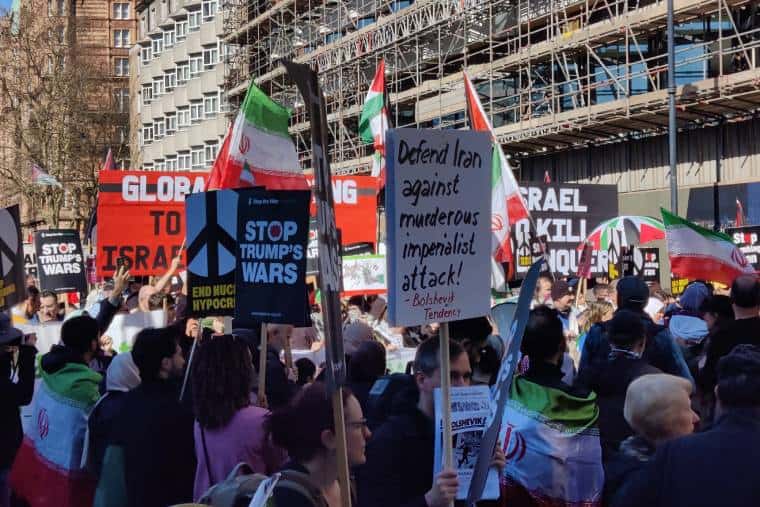
But British bases remain completely active in supporting US terror. As US imperialism begins yet another war which will hit working class people, Britain is complicit as it continues to provide military support to Trump.
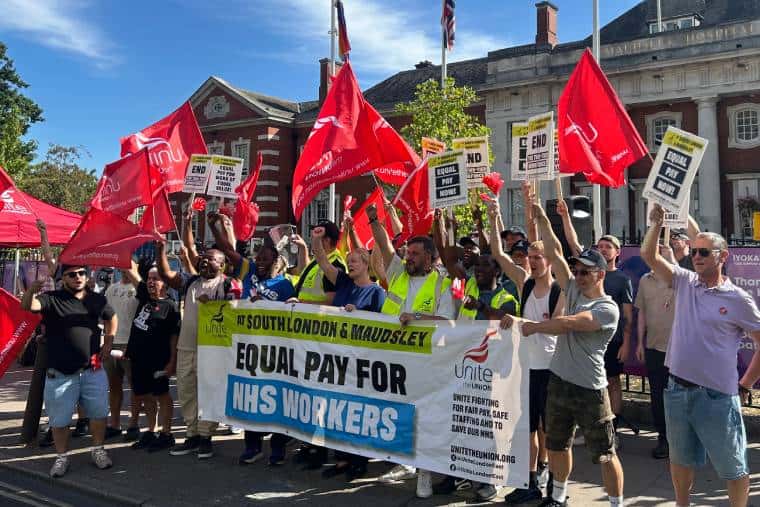
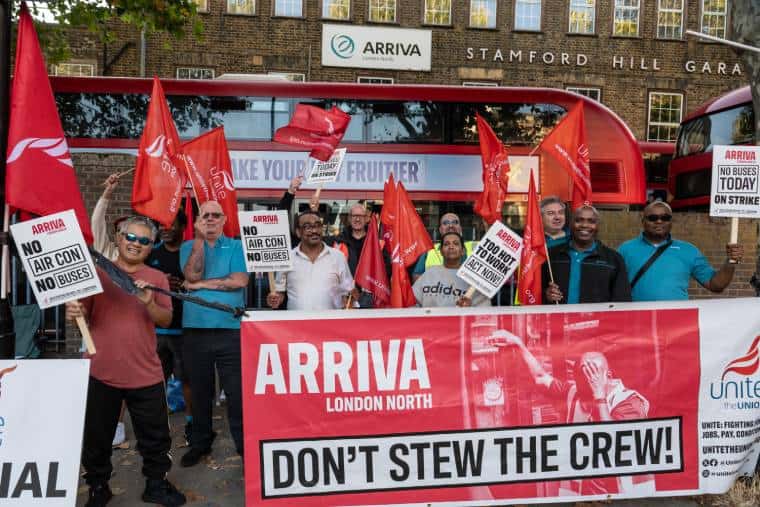
As the cost of living rises and inflation is set to spiral, unions should organise to demand higher pay.


Health workers set to strike across four Manchester hospitals
Bus workers rejected an offer and came back out