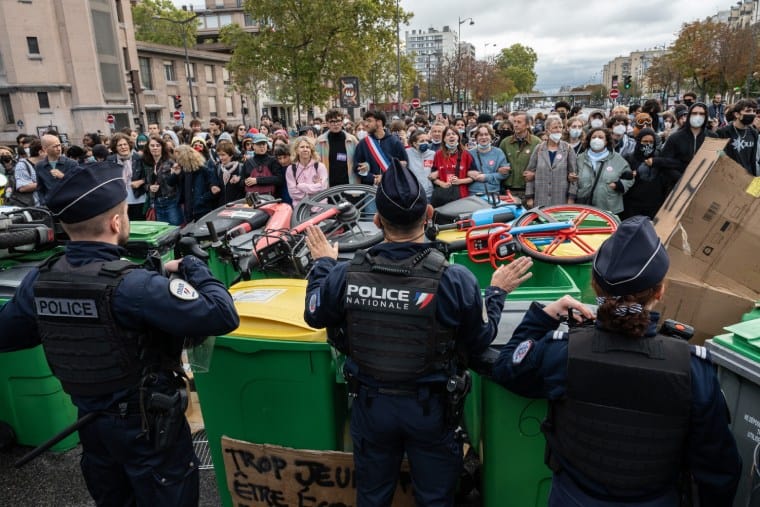
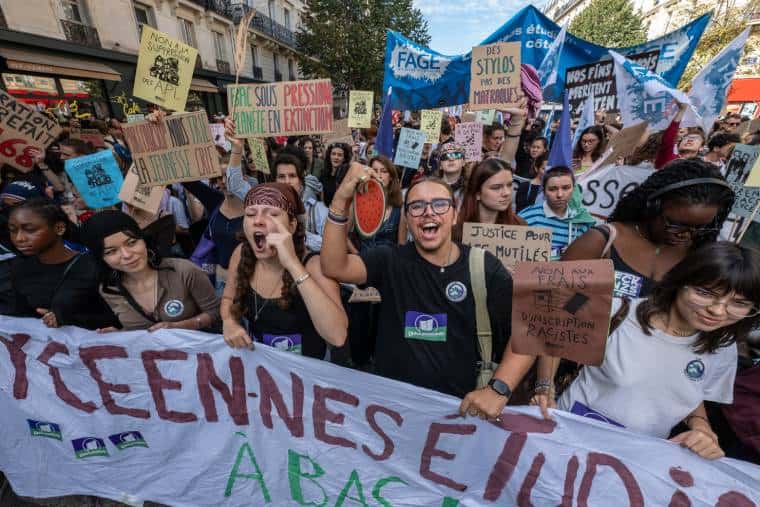
Student protests in Chile (Pic: Periodico El Cuidadano)
Around 100,000 student protesters disrupted the polls at Chile’s primary elections last week.
They were demanding free and publicly-run education.
Port workers and miners struck in their defence.
The workers blockaded the country’s lucrative copper mines demanding nationalisation—so that the profits could fund the students’ demands.
South America faces a packed schedule of elections over the coming year, including in its three largest economies—Brazil, Argentina and Colombia.
In Argentina, like Brazil, a once popular centre left government is undergoing a major crisis of legitimacy.
Both the unions and the right wing parties have led massive protests.
Colombia’s outgoing president is right winger Juan Manuel Santos.
He faces a challenge from within his own party—and his own family—over his negotiations with the FARC guerrilla rebels.
Santos wants to end a 50 year civil war through negotiation after his predecessor Manuel Uribe failed to end it with military force.
The longer it drags on the more it gets in the way of Colombia’s own emerging economic boom.
Colombia is increasingly singled out by investment banks as the next economy to watch in the region.
But much of the establishment remains bitterly opposed.


Strikers are demanding an unallocated €1.6 billion go towards workers' pay rise
Another day of mass resistance