A Stop Cambo rally after occupying a government building in Edinburgh in July (Pic: Jessica Kleczka)
In a victory for campaigning and protest, giant multinational Shell has announced that it will not support plans to develop the Cambo oil field in the North Sea.
It said that the economic case for its development wasn’t “strong enough”. But according to one source in Whitehall it was a “vocal minority of activists” that led to Shell pulling out.
The recent mass demonstrations around the failed Cop26 summit in Glasgow will have increased the pressure on Shell. But this decision does not mean the Cambo project is dead.
Energy company Siccar Point, which owns a significant stake in the project, has said it could go ahead without Shell’s backing. The firm’s chief executive, Jonathan Roger, said, “Cambo remains critical to the UK’s energy security and economy.” It isn’t and won’t be.
If the British government approved Cambo, as it may do soon, it would open the way for North Sea oil and gas companies with plans to extract at least another 1.7 billion barrels of oil from new fields before 2050.
This is about another brutal twist upwards for fossil fuel capitalism, not a dire need to keep the lights on.
Some “business leaders” and politicians say there will be huge job losses without Cambo. But there are many jobs that can be created in renewables if sustainable production was the priority.
Any new oil and gas investment slows down even the beginning of a transition away from an economy that won’t lead to environmental devastation.
Boris Johnson has said his hands are tied on Cambo because of “a contract that was signed in 2001 and we can’t just tear up contracts, there is a process to be gone through”.
Stopping climate change will mean more than cancelling a few contracts. It will mean ripping up the whole economic and political approach of leaving crucial decisions to profit-hungry multinationals and the MPs who support them..
Scottish first minister Nicola Sturgeon has recently said Cambo should not get the “green light”. But she has also said the real responsibility for the project lies with Downing Street.
Meanwhile, Shell is pressing on with its attempt to exploit South Africa’s Wild Coast for oil and gas reserves.
Shell intends to fire extremely loud shockwave emissions deep into the ocean to survey for oil and gas reserves in the area,

Activists have organised protests to stop the project for Sunday of this week in four different cities.
Organisers Oceans Not Oil said, “South African citizens believe that there is more at stake than just a few threatened species.”
Every success against the oil and gas firms emphasises how much still needs to be won. But resistance can win.
As the Stop Cambo campaign said, “It’s more important than ever that we keep building momentum.
“We need to keep pressuring the government to say no to Cambo, and we must build solidarity with movements around the world to demand a worker-led transition away from fossil fuels.”


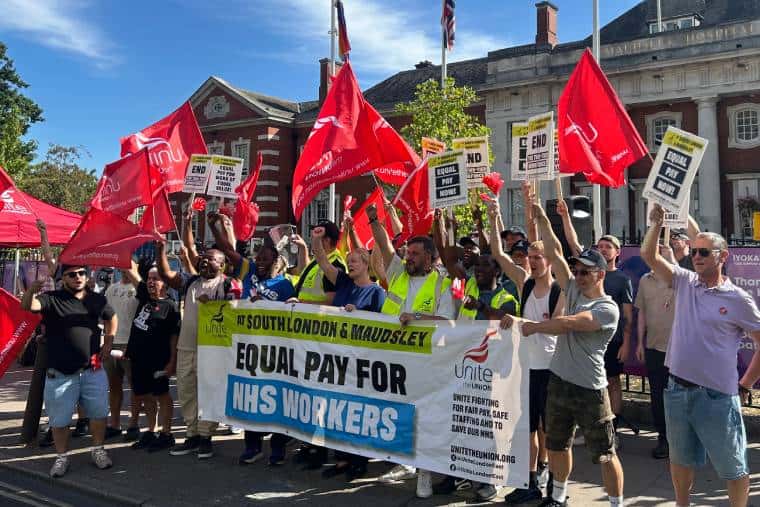
A staffing crisis in the NHS
Health workers set to strike across four Manchester hospitals
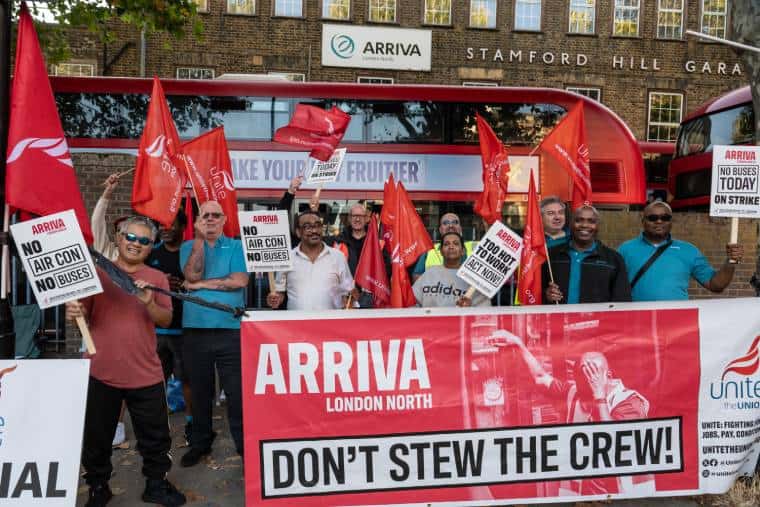
Bus workers rejected an offer and came back out